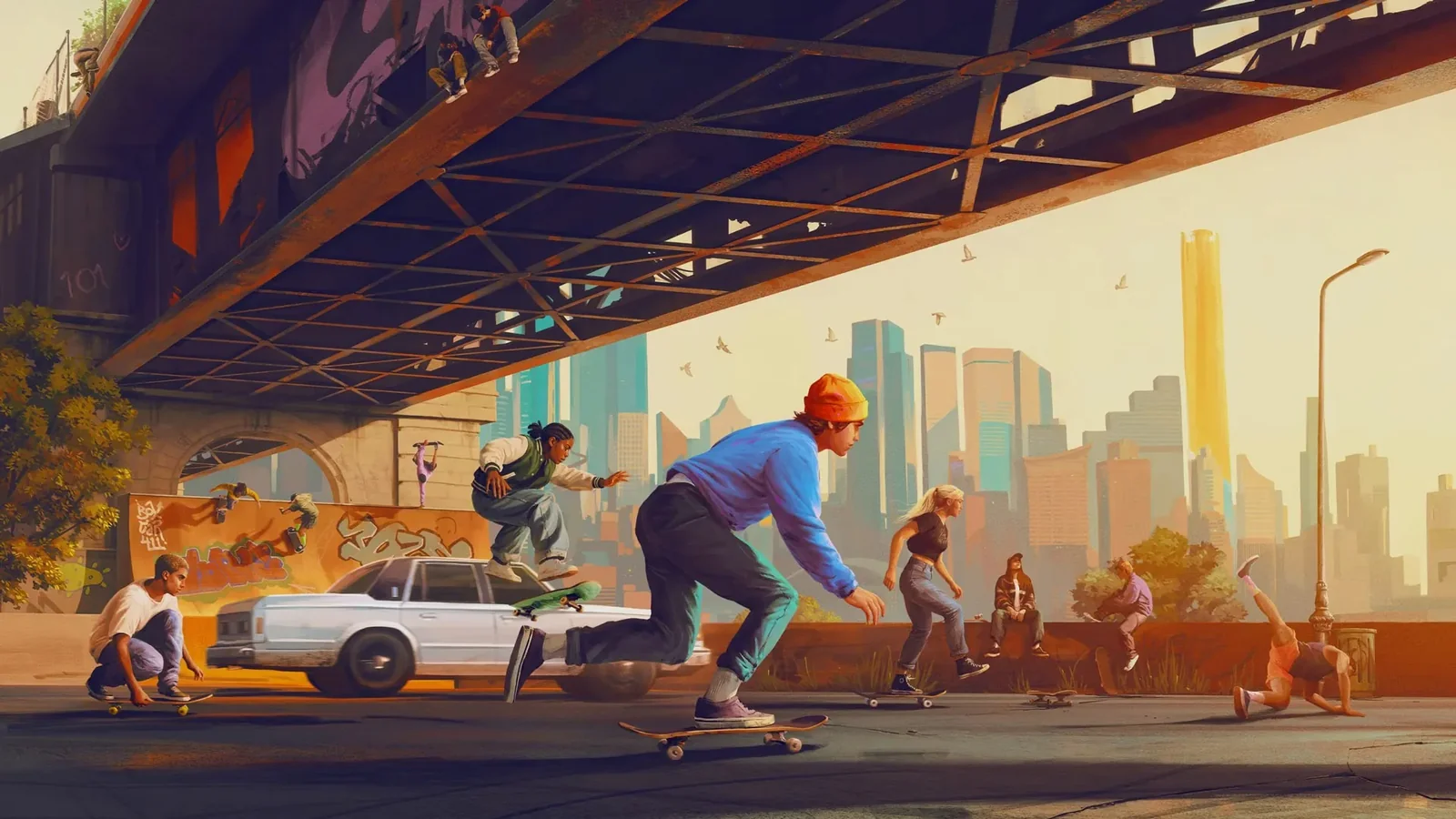
A fan-made Skate 3 browser build went viral on October 8, 2026, drawing attention to skate.aaddpp.lol and the community technology behind it. The headline needs one qualification: this is an unofficial recreation built around a Rust engine, rather than an EA release. Operation Sports covered the browser project.
What is running in the browser?
According to skatemods' technical breakdown, the project uses the open-source Skate 3 Rust engine, built with Rust and Bevy and compiled for WebGPU. Its skating physics, tricks and grinds are rewritten systems; it is not an emulator running EA's original code.
The underlying engine is licensed under GPL-3.0 and does not include game assets. That distinction matters because the software that makes a skater move and the textures, models and audio that give a game its identity are separate pieces of a browser build.
Key Information
Skatemods identifies aaddpp's version as one of several web builds and credits chasmlol as the engine's main author. The viral version includes touch controls and a lighter mobile graphics mode, but requires a browser with WebGPU support. Source: skatemods.
The same report also challenges the idea that the public viral build uses only clean-room assets. Its October 10 inspection found a configuration pointing to converted retail game data hosted elsewhere. That finding is attributed to skatemods, rather than an independent audit by TheGameTake.
A separate project, Clean Room Skate Online, uses regenerated visual meshes, textures and sounds. It offers community maps and multiplayer rooms for up to ten players, without the original game's large districts or soundtrack.
What This Means
The interesting development is the separation between familiar skating mechanics and the assets surrounding them. In our view, a browser recreation can be an impressive demonstration of community engineering while still requiring careful explanation of what visitors actually receive.
For readers following the viral clips, the clean-room version deserves its own attention. It presents a different proposition: community skating built around replacement art, rather than an exact recreation of the retail experience. Calling both projects simply a browser port obscures that difference and makes the technology harder to assess.
Sources: